
Winch-Out vs. Standard Towing: What’s the Difference?
When drivers experience vehicle trouble, they often assume every roadside recovery situation requires the same type of tow truck service. In reality, different problems call for different recovery methods. Two of the most common are standard towing and winch-out services. While both involve moving disabled vehicles, they are used in very different situations.
Understanding the difference between these services helps drivers know what to expect and ensures the safest recovery method is used. Professional companies like Statewide Towing & Recovery assess each situation carefully to determine whether a standard tow or a winch-out is the right solution.
What Are Winch-Out Services?
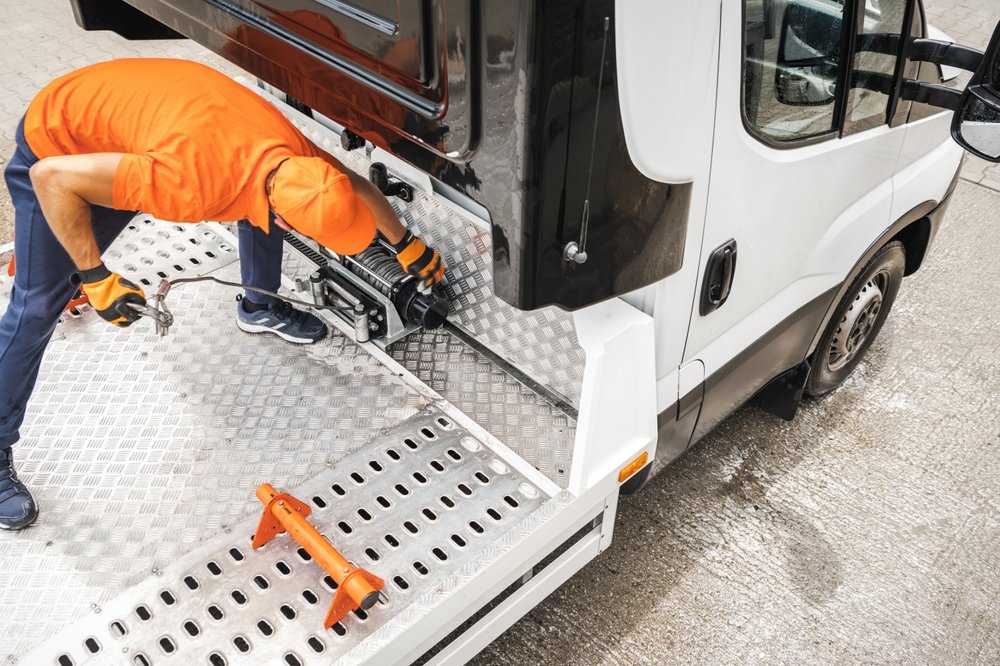
Winch-out services are used when a vehicle is stuck and cannot safely drive back onto solid ground on its own. Instead of simply towing the vehicle from one location to another, a winch-out focuses on recovering the vehicle from difficult terrain or hazardous conditions.
A winch is a powerful mechanical device equipped with a heavy-duty cable or rope attached to the stuck vehicle. The tow truck then slowly pulls the vehicle back to a safe and stable position.
Unlike standard towing, winch-out recovery is often more technical because operators must carefully manage angles, traction, and surrounding obstacles during the recovery process.
How Standard Towing Works
Standard towing is typically used when a vehicle is already accessible and simply needs transportation. This could happen after a breakdown, collision, mechanical failure, or flat tire.
In these situations, the vehicle is loaded onto a flatbed truck or lifted using wheel-lift equipment and transported to a repair shop, dealership, or another destination.
The key difference is that standard towing does not usually involve recovering the vehicle from difficult terrain or hazardous conditions. The focus is transportation rather than extraction.
Common Situations Requiring Winch-Out Services
There are several situations where winch-out recovery becomes necessary. Some of the most common include:
Vehicles Stuck in Ditches
Drivers may slide off the road during bad weather or lose control on slippery surfaces, ending up in roadside ditches.
Mud or Soft Ground
Heavy rain or unpaved roads can cause vehicles to sink into mud, making it impossible to regain traction without assistance.
Snow and Ice
Winter conditions frequently leave vehicles trapped in snowbanks or icy areas where tires cannot grip properly.
Off-Road Recovery
Vehicles used on trails, construction sites, or rural property may become stuck on uneven terrain and require winching to return to solid ground.
Steep Inclines or Embankments
Vehicles trapped on slopes or difficult angles often need controlled recovery to avoid further damage.
For drivers needing a professional winch out in Ann Arbor, experienced operators understand how to safely manage these challenging recoveries.
Equipment Used for Winch-Out Recovery
Winch-out recovery requires specialized equipment designed for pulling vehicles safely out of difficult positions. Common equipment includes:
Heavy-duty winches with reinforced steel cables
Recovery straps and chains
Snatch blocks and pulleys for angle adjustments
Tow trucks with enhanced pulling power
Stabilizing equipment to prevent shifting during recovery
Operators carefully assess the weight of the vehicle, terrain conditions, and recovery angle before beginning the process.
Because recovery situations can vary significantly, professional training and proper equipment are critical for preventing vehicle damage or unsafe recovery attempts.
Equipment Used for Standard Towing
Standard towing uses different tools depending on the type of vehicle and towing situation. These may include:
Flatbed tow trucks
Wheel-lift tow trucks
Safety chains and wheel straps
Hydraulic lift systems
Heavy-duty towing equipment for larger vehicles
The goal of standard towing equipment is safe transport rather than extraction from hazardous terrain.
Why Choosing the Right Recovery Method Matters
Using the wrong towing method can create unnecessary risks. Attempting standard towing on a deeply stuck vehicle may cause additional damage, tire spinning, or unsafe strain on towing equipment.
Professional operators evaluate:
Vehicle position
Road and weather conditions
Vehicle weight and size
Accessibility of the scene
Potential safety hazards
This assessment ensures the safest and most effective recovery approach is used.
How Statewide Towing & Recovery Determines the Right Solution
At Statewide Towing & Recovery, every roadside situation is carefully evaluated before recovery begins. Their experienced team determines whether standard towing or winch-out services are needed based on the vehicle’s condition and surroundings.
Using advanced equipment and proven recovery techniques, Statewide Towing & Recovery safely handles everything from simple roadside tows to complex vehicle extractions. Their operators prioritize safety, efficiency, and vehicle protection throughout the process.
Final Thoughts
Although standard towing and winch-out recovery both involve moving disabled vehicles, they serve very different purposes. Standard towing focuses on transportation, while winch-out services are designed to recover vehicles from difficult or hazardous locations.
Knowing the difference can help drivers better understand their roadside situation and appreciate the expertise required for safe recovery. Working with experienced professionals like Statewide Towing & Recovery ensures your vehicle is handled properly, no matter how challenging the circumstances may be.