
How Emergency Towing Works After Vehicle Accidents
Vehicle accidents are stressful, and they often leave drivers wondering how their damaged vehicle will be safely removed from the scene. This is where professional emergency towing services play a crucial role. Understanding how emergency towing works, what qualifies as an emergency, and what drivers need to know can help make the process smoother and safer.
Companies like Statewide Towing & Recovery provide fast, reliable service to clear accident scenes efficiently, while coordinating with law enforcement and insurance providers to ensure a seamless experience.
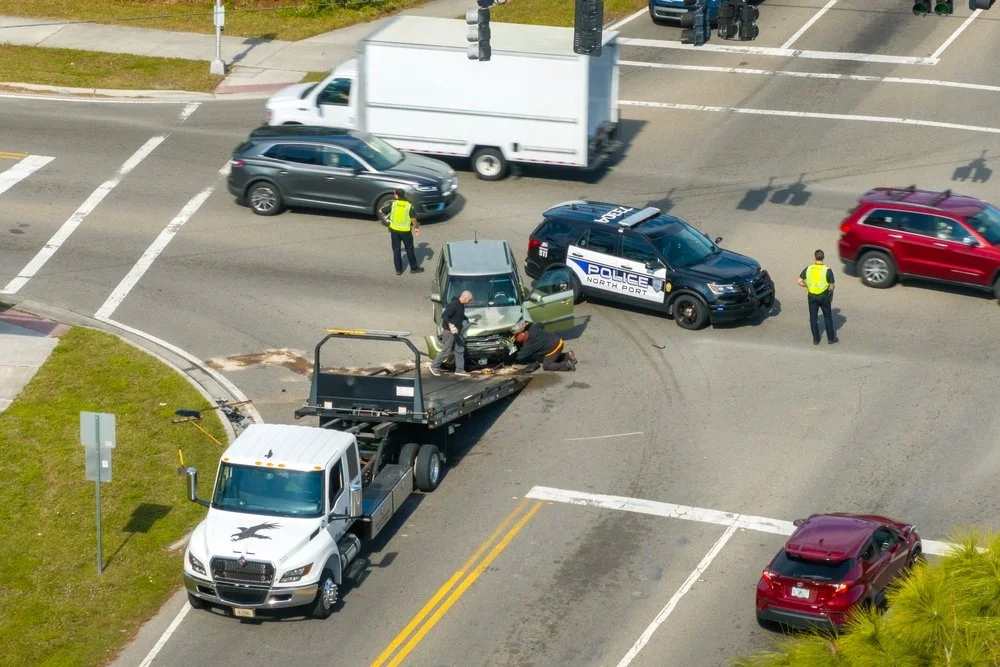
What Qualifies as Emergency Towing After an Accident
Not every tow after a breakdown is considered an emergency. Emergency towing usually applies when:
A vehicle is immobilized due to a collision
Traffic is obstructed, creating a hazard
The car cannot be driven safely
Immediate removal is required for safety reasons
Professional towing operators assess the scene and determine the safest method for removing the vehicle. Emergency towing ensures that traffic flow is restored quickly and that drivers and passengers are protected from further harm.
Coordination With Law Enforcement and Insurance Providers
After an accident, emergency towing involves coordination with multiple parties:
Law enforcement: Police may need to document the scene before vehicles are moved. Tow operators often wait for clearance or assist with moving vehicles to safer locations.
Insurance providers: Some towing services work directly with insurance companies to document vehicle damage and obtain authorization for transport.
Traffic control agencies: In certain cases, additional support is needed to safely manage traffic around the accident site.
This coordination helps prevent confusion, ensures proper documentation, and protects the rights of drivers while keeping the roadside safe.
Safely Removing Damaged Vehicles
Emergency towing after an accident requires careful handling to prevent further damage to vehicles and ensure operator safety. Key steps typically include:
Scene assessment: Operators evaluate the accident site, traffic flow, and vehicle condition.
Securing the area: Flashing lights, cones, or barriers are used to protect the operators and motorists.
Selecting the appropriate equipment: Flatbeds, wheel-lifts, or heavy-duty wreckers may be used depending on the vehicle’s size and damage.
Loading the vehicle: Operators follow strict safety protocols to lift and secure vehicles without causing additional damage.
Transport: Vehicles are safely taken to repair shops, storage facilities, or other designated locations.
This process ensures that the damaged vehicle is removed efficiently while keeping everyone safe.
Documentation and Vehicle Release for Drivers
Drivers involved in accidents should be aware of documentation and vehicle release procedures:
Accident report: Law enforcement may issue a report documenting the incident.
Tow receipt: Drivers should receive a record of the tow, including pickup location, destination, and operator information.
Insurance reporting: Tow documentation may be required when filing a claim.
Vehicle release: Understanding who can authorize vehicle pickup and how to retrieve it ensures a smooth post-accident process.
Professional emergency towing companies often guide drivers through this paperwork and answer questions to reduce stress.
How Statewide Towing & Recovery Handles Accident Towing Efficiently
At Statewide Towing & Recovery, accident towing is handled with professionalism, speed, and safety in mind. Their trained operators arrive promptly, assess the scene, and coordinate with law enforcement, insurance providers, and drivers to streamline the towing process.
By following strict protocols, using modern equipment, and prioritizing communication, Statewide Towing & Recovery ensures that vehicles are removed safely and efficiently. If you need emergency towing in Ann Arbor, their team is ready 24/7 to respond to accidents and other urgent towing needs.
Why Understanding Emergency Towing Matters
Knowing how emergency towing works can help drivers stay safe, avoid confusion, and ensure their vehicle is handled properly after an accident. Key takeaways include:
Recognize when towing qualifies as an emergency
Follow instructions from tow operators and law enforcement
Understand documentation and insurance requirements
Choose professional, experienced towing providers for reliability and safety
Accidents are stressful enough—working with a trusted provider like Statewide Towing & Recovery makes the recovery process much smoother. Their focus on safety, coordination, and efficiency protects drivers and vehicles from additional risks.