
Tow Truck Safety Procedures Explained for Vehicle Owners
Needing a tow truck can be stressful, especially when your vehicle breaks down on a busy road or highway. While most drivers focus on getting their vehicle moved, safety is the top priority during any towing situation. Understanding proper towing safety procedures helps vehicle owners know what to expect, avoid unnecessary risks, and feel confident when professional help arrives.
This article explains the safety steps tow truck operators follow, why those procedures matter, and how both operators and vehicle owners work together to ensure a safe towing experience.
Common Safety Procedures Tow Truck Operators Follow
Tow truck operators work in environments that can be unpredictable and dangerous. One of the first towing safety procedures they follow is securing the scene. Upon arrival, operators position the tow truck to create a protective barrier between traffic and the disabled vehicle whenever possible.
Emergency lights are activated immediately to alert oncoming drivers. Operators also wear high-visibility safety apparel so they can be seen clearly, even in low-light or poor weather conditions. Before touching the vehicle, they assess traffic flow, road conditions, and the safest method for loading.
Professional operators are trained to choose the correct towing method—flatbed, wheel-lift, or heavy-duty towing—based on the vehicle’s size, weight, and condition. These steps reduce the risk of accidents and vehicle damage.
Why Visibility and Traffic Control Matter
Visibility is one of the most critical aspects of roadside safety. Flashing lights, reflective striping, and hazard signals give approaching drivers early warning that roadside work is taking place. This allows them to slow down, change lanes, or proceed with caution.
Traffic control is another key element of towing safety procedures. Tow truck operators may use cones, flares, or strategic vehicle positioning to guide traffic safely around the scene. This controlled setup protects the operator, the vehicle owner, and other motorists.
If you ever need a tow truck in Ann Arbor, local experience matters. Operators familiar with area traffic patterns can manage roadside safety more effectively and reduce response risks.
The Importance of Proper Vehicle Securing
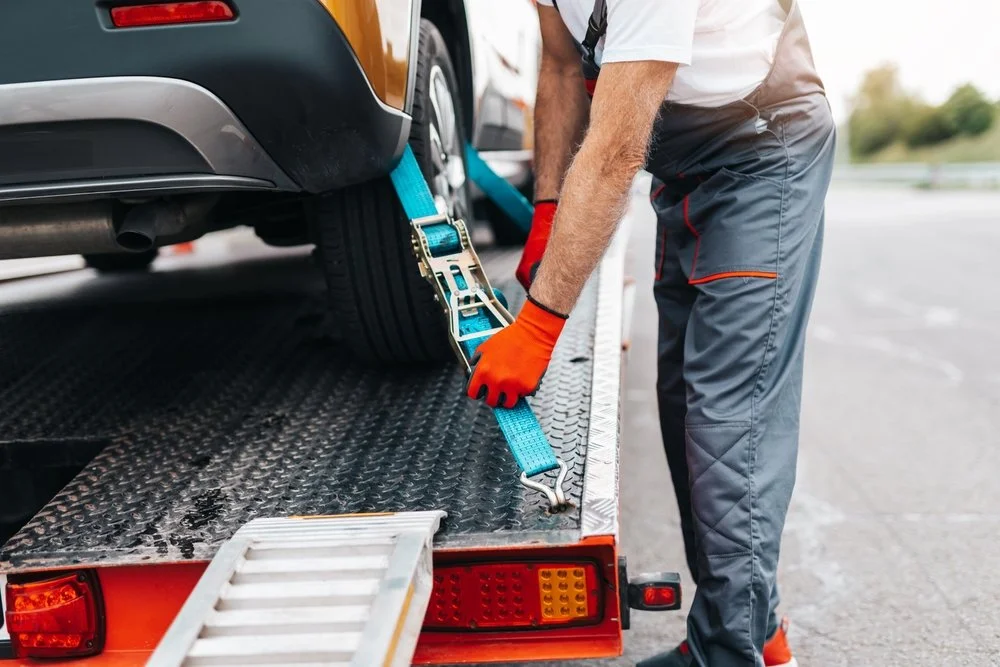
Once the area is secured, attention turns to loading and transporting the vehicle safely. Proper vehicle securing involves using industry-approved straps, chains, wheel nets, and tie-down systems designed for the specific vehicle type.
The operator ensures the vehicle is centered, balanced, and firmly secured before transport. Loose or improper securing can cause the vehicle to shift, sustain damage, or create hazards for other drivers on the road.
Following strict towing safety procedures ensures the vehicle remains stable throughout the trip, whether it’s being towed a few miles or transported long distance.
What Vehicle Owners Should Do During Towing
Vehicle owners also play an important role in maintaining safety during towing. To support a smooth and secure process, drivers should:
Move to a safe location away from traffic when possible
Follow all instructions given by the tow truck operator
Inform the operator about vehicle issues, such as steering problems or low clearance
Remove personal items if the vehicle will be transported to a repair facility
Clear communication and cooperation allow the operator to complete the tow efficiently and safely.
What Vehicle Owners Should Not Do
Equally important is knowing what to avoid. Vehicle owners should not stand near traffic, attempt to help load the vehicle without instruction, or walk into the roadway to direct traffic.
It’s also unsafe to remain inside the vehicle while it’s being lifted or secured unless the operator specifically instructs otherwise. Professional towing safety procedures are designed to reduce risk, and interfering with those procedures can create dangerous situations.
How Safety Procedures Protect Drivers and Vehicles
Proper towing safety procedures protect everyone involved. For drivers, they reduce the risk of roadside accidents, injuries, and secondary collisions. For vehicles, they help prevent unnecessary damage during loading, transport, and unloading.
These procedures also ensure compliance with local and state regulations, creating safer roadways for all motorists. When towing is done correctly, a stressful breakdown becomes a controlled and manageable experience.
Statewide Towing & Recovery’s Commitment to Safe Towing Practices
At Statewide Towing & Recovery, safety is built into every call they respond to. Their operators follow proven towing safety procedures, use modern equipment, and prioritize clear communication with vehicle owners from start to finish.
Whether responding to a minor breakdown or a complex recovery, Statewide Towing & Recovery focuses on protecting drivers, vehicles, and surrounding traffic. When you need a dependable tow truck in Ann Arbor, their commitment to safe towing practices ensures peace of mind during even the most stressful roadside situations.